

This website uses cookies so that we can provide you with the best user experience possible. Cookie information is stored in your browser and performs functions such as recognising you when you return to our website and helping our team to understand which sections of the website you find most interesting and useful.
Pool Fences
Pool Fences
Pool Safety Fence
Product Summary
Fittings
Gates
Installation
Gallery
The Katchakid Pool Safety Fence
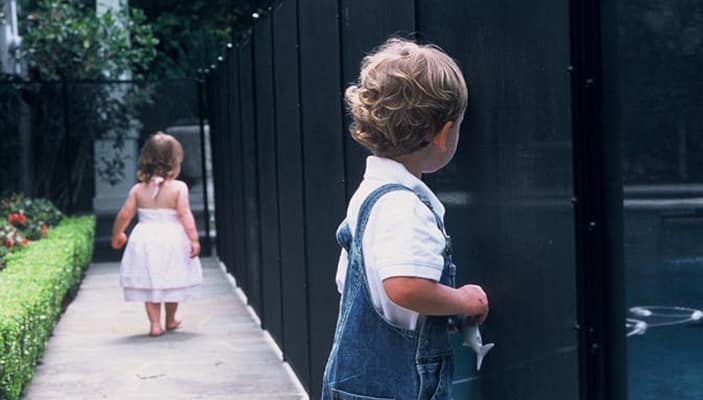
Designed and Installed with Safety in Mind
The Katchakid removable pool safety fence is specifically designed as a swimming pool barrier to help protect children from exposed open water by adding a layer of protection around your swimming pool. Our pool fencing system may also include self-latching, key-lockable, self-closing gates for additional convenience.
Our Textilene panels will not rip, shrink or fade, and kids can’t easily break through or climb them. In fact, Katchakid offers the highest quality most rigorously tested materials and system available. Our pool fences are reliable and durable even in the most extreme conditions.
Unlike many other fences, the Katchakid removable pool safety fence works with any shape of pool. Our technicians are trained to install a series of 15-foot sections of fencing panels in a configuration that works for you – either free-standing or incorporating existing structures, such as walls.
Once installed, the Katchakid removable pool fencing provides quick and easy access to your swimming pool and is easy to remove and replace.
Our installation technicians go through an intensive certification program in order to meet our standards. Once they’re on the job, they are able to expertly install a Katchakid pool fence in all most all configurations around your pool.
We offer you responsive customer service, with trained representatives and technicians in all the local markets we serve. If you have any questions, would like us to assess the feasibility of installing a fence on your property, or your Katchakid pool fence requires any type of adjustment, we’re there for you.
Pool Safety Fencing Advice from CPSC’s Pool Safely Campaign: Simple Steps Save Lives.
Schedule a Free Consultation

Children are likely to live up to what you believe of them.
– Lady Bird Johnson